Seoul with kids:
what works
Seoul is an easy kids city — clean, extremely safe, and the subway has elevators at most stations, so a stroller is a plan, not a problem. The reliable wins: Han River parks and a boat on the water, the free guard ceremony at Gyeongbokgung (10:00 or 14:00 — drums and banners hold a 5-year-old's attention), the NANTA show, and a baseball night at Jamsil with the chanting crowds. Korean food works for kids too: fried chicken, gimbap, hotteok. The one thing to skip with under-10s is the DMZ tour — hours of bus and briefings.
The 6 best things to do with kids
The royal guard ceremony at Gyeongbokgung
Twenty minutes of drums, flags and period uniforms — the rare historical sight that works better with kids than without. Palace entry after is ₩3,000, and the giant courtyards are made for burning off energy.
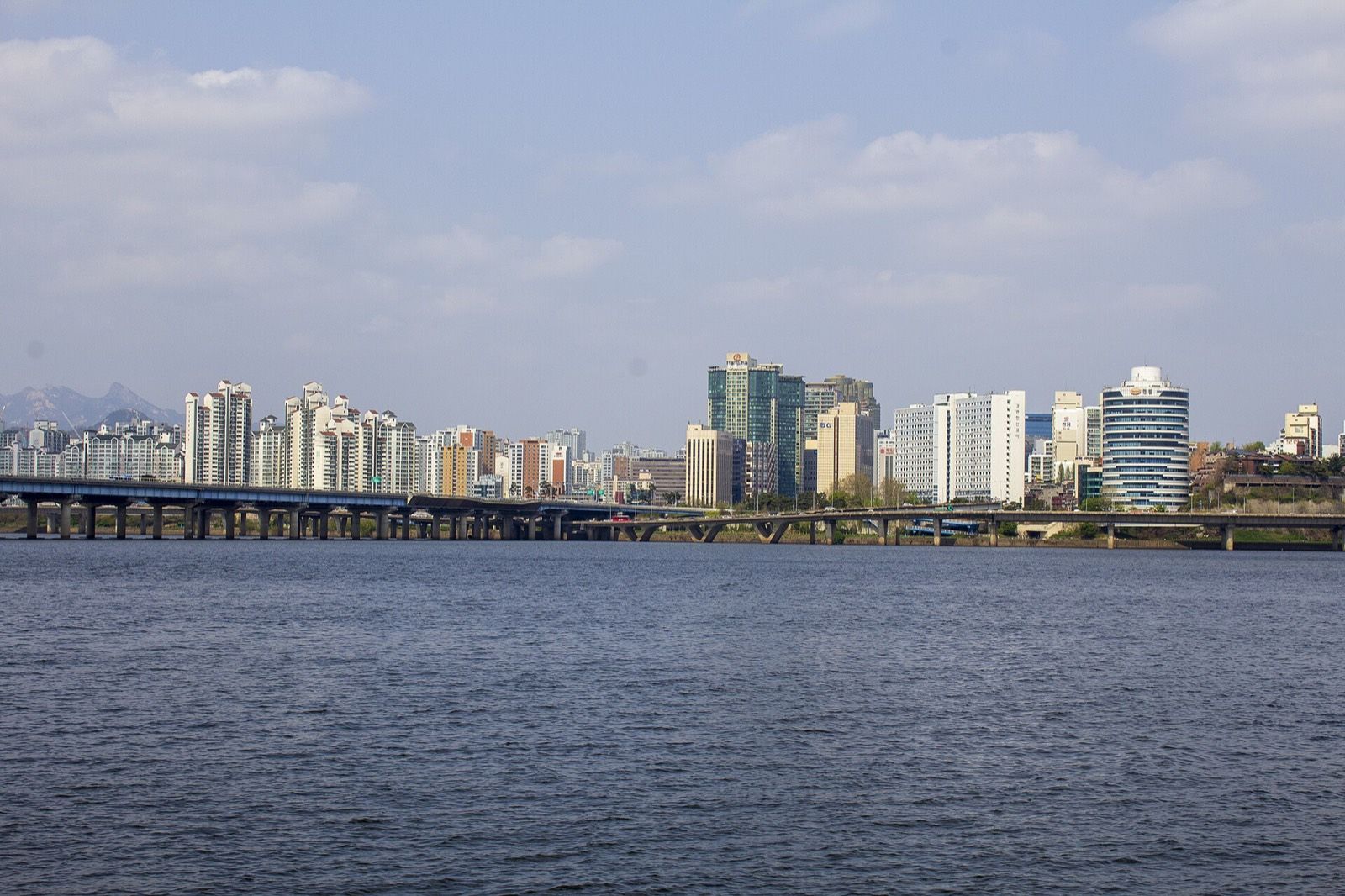
Han River park + a boat on the water
Picnic mat on the grass, chimaek delivered to the riverbank like the locals do it, then onto the water — a sunset cruise for the family or banana boats for the brave. Book the boat in the row below.
NANTA show, Myeongdong
Kitchen-percussion slapstick with zero dialogue — the knives-and-drums opening has 7-year-olds transfixed. The single most reliable family evening in Seoul, rain or shine.
Baseball night at Jamsil
KBO baseball is a three-hour singalong with food vendors — kids don't need to understand baseball, they need thundersticks, and those are provided. Weekend games are the full experience.
Nami Island day trip
Tree-lined lanes, bike rentals, ostriches, zero cars — the day trip that's actually better with kids than without. Our verdict page covers going independently vs the organized tour.
Jjimjilbang family floor
The co-ed common floors — heated rooms, snack bar, floor mats — are great with kids over ~6 who'll nap anywhere. The bathing floors are gender-separated and nude, which is a family-by-family call. Details in our guide.
The three family bookings
FAQ
Can you use a stroller on the Seoul subway?
Yes — nearly every station has an elevator (look for the elevator symbol at street level; it's usually at one specific exit), trains sit level with platforms, and Koreans will actively help you. Transfers at giant stations like Jamsil mean long walks, so a folding stroller is still the right call. Buses are harder; stick to subway and taxis.
Will my kids eat Korean food?
Almost certainly. The kid-safe hits: fried chicken (order plain 'fried', not yangnyeom, to skip spice), gimbap rolls, mandu dumplings, hotteok, gyeranppang egg bread, and bulgogi — which is essentially sweet beef. Spice is flagged and avoidable, and banchan side dishes let picky eaters assemble their own meal. Convenience stores are the 24-hour snack safety net.
Are there baby-changing facilities in Seoul?
Yes, widely — department stores, major subway stations, COEX and the museums all have proper nursing and changing rooms (수유실), and they're clean. Small restaurants usually won't, but a department store is never far. High chairs are common at family restaurants, rare at market stalls.
Is the DMZ tour OK for kids?
Teens, yes — a 13-year-old who's into history will call it the trip highlight. Under-10s, no: it's a 7–8 hour day of bus rides, passport checks and briefings, with nothing to touch and nowhere to run. Take the under-10s to Nami Island instead — our DMZ vs Nami page says for families it isn't close.
Is Seoul safe for kids?
About as safe as cities get — traffic is the only real hazard (drivers roll right turns through crosswalks, so hold hands at crossings). If someone gets lost: Koreans help immediately, every station has staff, and convenience-store clerks are the universal help desk. Tap water is fine; hospitals are excellent.